 1300 404 045

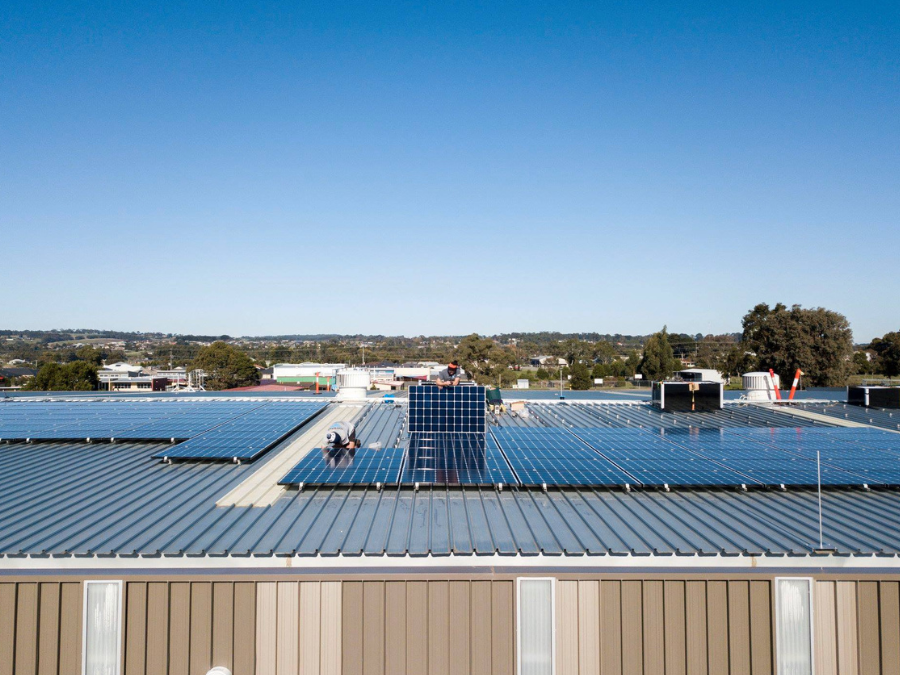
The rising cost of electricity in Australia has many households searching for more affordable and sustainable energy solutions. If you’re among them, you’ve likely asked yourself, how much does solar cost? Beyond the initial investment, understanding the return on investment (ROI) of solar power is key to making an informed decision.
Why Is Return on Investment (ROI) Important When Considering Solar?
When you invest in solar panels, you’re not just buying technology – you’re investing in a long-term solution that can lead to significant savings. But like any investment, it’s important to evaluate whether your outlay will be worth it. By calculating the ROI, you gain a clear understanding of the financial benefits you can expect, how long it will take to recover your initial investment, and when you’ll start reaping the rewards.
Of course, one of the first questions most people have is, how much does solar cost? Let’s explore the factors that influence this and the overall ROI of your system.
Key Factors Affecting Solar ROI
To properly calculate ROI, there are several key factors you need to consider. These include:
Installation Cost
The total cost of installing solar panels can vary depending on the size of the system, the brand of the panels, and the complexity of the installation. If you’re wondering how much does solar cost, keep in mind that in Australia, government rebates and incentives like the Small-scale Renewable Energy Scheme (SRES) can significantly reduce these costs, increasing the overall ROI.
Energy Consumption
How much electricity you use on a regular basis plays a significant role in your ROI. The more energy you consume, the more you can save by switching to solar. Analysing your electricity bills will help you estimate how much you could offset with a solar system.
Energy Output of the Solar System
Solar panels generate electricity based on sunlight, so the amount of power your system produces will vary by location and time of year. In sun-rich areas like Queensland and New South Wales, your system will produce more energy, leading to greater savings. A good solar provider will help you choose the right system for your needs.
Electricity Prices
As electricity prices rise, your potential savings from solar become more substantial. The more expensive grid electricity becomes, the greater the ROI on solar systems. This difference between grid prices and solar generation significantly enhances the financial benefits of solar.
Government Rebates
In Australia, government incentives can reduce the upfront costs of installing solar panels, which in turn improves your ROI. Small-scale Technology Certificates (STCs) provided by the government offer significant savings on the purchase and installation of your system.
How to Calculate the ROI of Your Solar System
Now that we understand the key factors that affect ROI, let’s look at how you can calculate it. You’ll also see how understanding how much solar costs plays into your decision-making.
The basic formula for ROI is:
ROI (%) = (Annual Savings / Total Investment) x 100
Step 1: Estimate Your Annual Savings
Your annual savings are the amount you’ll save on your electricity bills by using the energy produced by your solar panels. For example, if your electricity bill is $2,000 per year, and your solar system is expected to save you $1,400 annually, your annual savings will be $1,400.
Step 2: Determine Your Total Investment
This includes the cost of purchasing and installing your solar system. If you’re still asking how much does solar cost, let’s assume that your total investment (after rebates and incentives) is $8,000.
Step 3: Calculate Your ROI
Using the formula:
ROI = ($1,400 / $8,000) x 100 = 17.5%
This means that your ROI is 17.5%. In other words, you’re getting a return of 17.5% on your investment each year. This is a strong return, especially when compared to other investment options like shares or savings accounts.
Step 4: Calculate Your Payback Period
To determine how long it will take for you to recover your initial investment, divide your total investment by your annual savings. Using the example above:
Payback Period = $8,000 / $1,400 = 5.7 years
This means that in about 5.7 years, you’ll have recovered the full cost of your solar system. After that, your savings will continue to grow, providing you with a steady stream of financial benefits for the remaining life of the system (typically 25+ years).
Additional Benefits Beyond ROI
While the financial benefits of solar are clear, there are also many environmental advantages to consider. By generating your own renewable energy, you’re helping to reduce greenhouse gas emissions and contributing to a cleaner, more sustainable future for Australia.
Final Thoughts: From Bills to Savings
Switching from high electricity bills to the savings potential of solar power is an exciting prospect for many Australians. By calculating your ROI and understanding how much solar costs, you can make an informed decision about whether solar is the right investment for you. With the right system in place, solar can save you money, increase the value of your property, and help protect the planet.
Is your system ready to pay you back? Start by getting a quote from Urban Renewables and see how much you can save today!